



With a successful hunt comes upwards of 100lbs. of meat you need to get home ASAP, in the best condition possible so you can feed your family for months!
To freeze or not to freeze, drive or fly, processed or whole, freezer or cooler, dry ice or normal; the options in front of you are many, and there’s absolutely benefits and drawbacks to each.
Fortunately, the crew from MEAT! are experienced hunters who’ve brought meat home from out west countless times with little difficulty for years. Read on to learn how to get your hunted meat home, with as little waste as possible!
Start by field dressing and quartering your game to prepare for deboning. Deboned, cut and wrapped meat is easier to pack, cools down faster, freezes better and will help you comply with various game regulations that change from state to state.
Once deboned, if you are more than 36-hours away from home, you should completely freeze your meat before or during travel. This is best done with either a deep freezer or dry ice in a quality cooler. Make sure to effectively pack your meat before placing it into your cooler, you do NOT want your meat in direct contact with ice, dry ice, or the melt from them during travel.
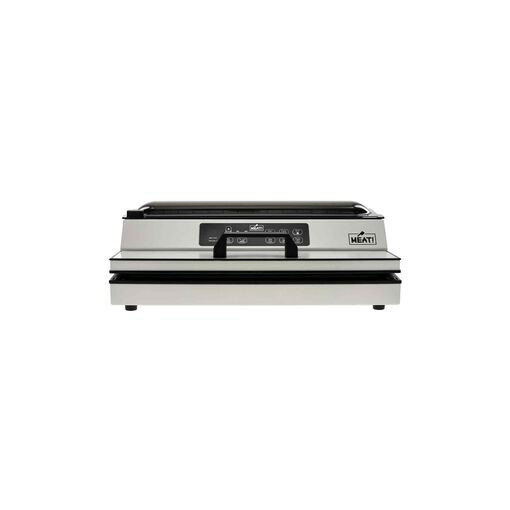
The most effective way to protect your meat is to vacuum seal it before placing it in the cooler or freezer. The easiest way is to use the double-wrap method. First, completely wrap your meat in two layers of plastic wrap, making sure to squeeze out any air bubbles. Then tightly wrap your plastic wrap covered meat in a generous layer of waxed freezer paper, and tape it closed.
Finally, if you plan to use dry ice, make sure to put a layer of cardboard between it and your meat. If you’d like more information on how to better pack or freeze your meat for travel, click the respective links in this sentence.
While you may have a leadfoot and the best route a GPS can slap together, you’re not likely to get your meat home in edible condition without taking some serious steps to protect it. The two best ways to drive your hunted game home without going rotten is to either freeze pack it with dry ice into large coolers, or to hook up a chest freezer in a truck bed and keep your meat frozen that way.
If you don’t want to break the bank and purchase a freezer and generator to get your meat home, then your best option is freeze packing your meat into coolers lined with dry ice. Prep and pack your meat like we described in the section above, then seal it into your coolers and tape them closed. Remember the tighter packed and less air space in your cooler, the better it will stay frozen. A properly packed cooler should stay iced down for up to 48-hours without replenishing the dry ice in normal conditions.
For extra protection, you can even insulate your coolers further. Stack your coolers in the bed of your truck as tightly as possible, tie them down, then cover them with an insulated tarp and secure them for the ride. Alternatively, you can pack the coolers into the bed of your truck with snow for extra protection.
Finally, if you already have a deep freezer or two that you’re comfortable running on a generator in the bed of your truck then you’ve already got the most effective way to transport your meat on hand. Simply set up and secure your freezer into the bed of your truck, pack it tight with your packaged meat, then seal it up and don’t open it until you get home!
If you want more information about making sure you comply with all state and federal regulations, then click this link for another article. You can also find other options for getting your meat home that aren’t driving at this link!